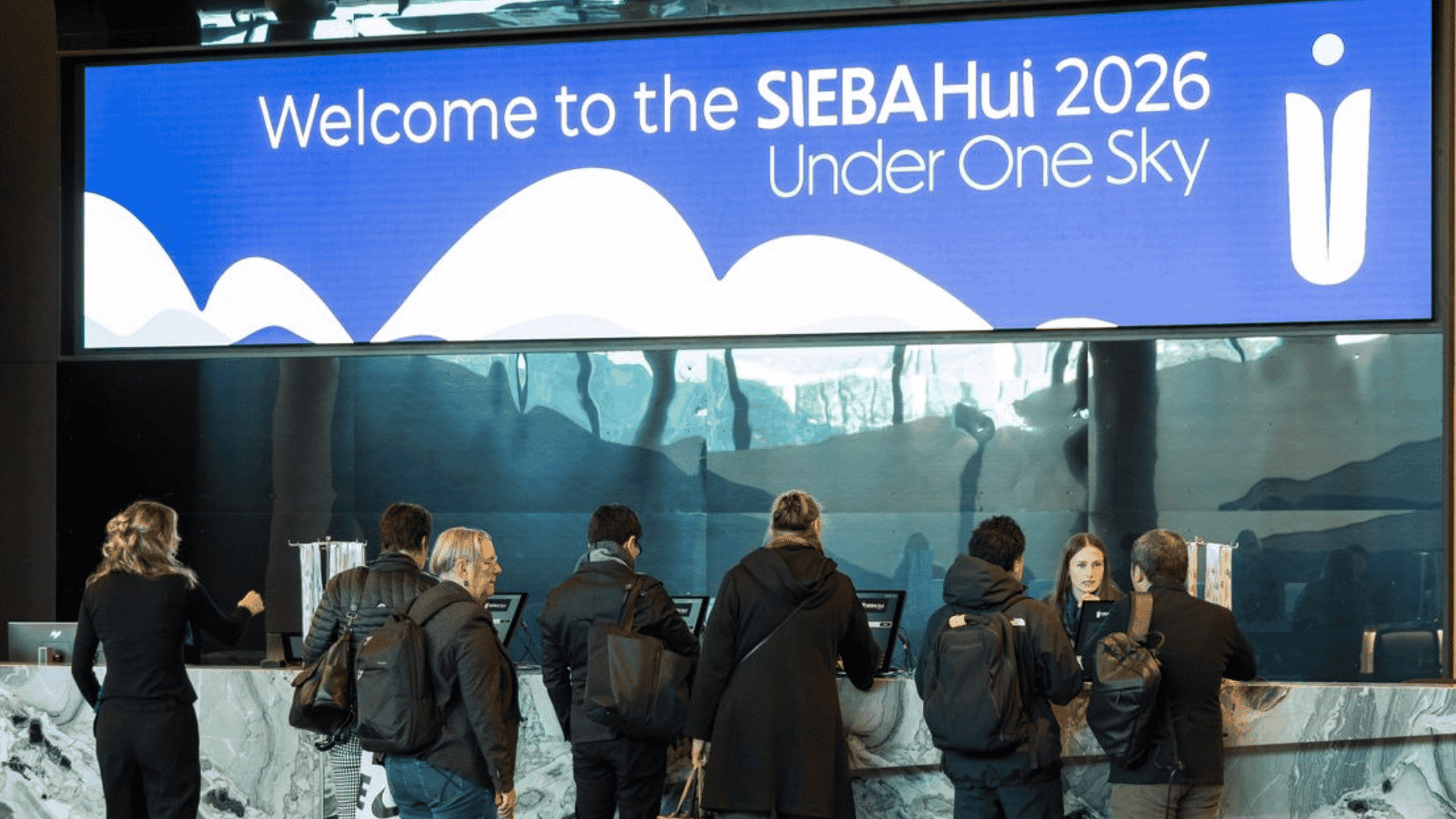


Guy Pascoe spoke at the recent SIEBA Hui in Christchurch on Collective Efficacy in International Education. The conversation centred on the idea that by working together New Zealand independent schools can lift not only their own enrolments, but the profile of the entire sector.
The timing for this conversation is important. International education continues to rebound strongly, with total school enrolments growing by 10% to 20,155 students. Primary, intermediate and secondary schools remain a key point of difference for New Zealand, offering families an early entry point into our education system and a pathway into long term study.
Within that, independent schools continue to punch well above their weight, enrolling around 12% of all international school students, despite representing a much smaller proportion of the overall school network. This reflects the strength of our sector: high-quality education, strong pastoral care, and a reputation for delivering excellent outcomes.
However, the Hui also highlighted some important challenges.
As a sector, we too often position ourselves against local state schools. While that may resonate domestically, it does not translate well internationally. For many families offshore, the distinction between state and independent schools in New Zealand is not well understood. As a result, we risk appearing to offer a similar product at a significantly higher price point.
In reality, our true competitors are not down the road—they are offshore. Families are comparing New Zealand to other global education systems, and our independent schools to private and boarding schools in countries such as the UK, Australia, Canada and the United States.
This is where collective efficacy becomes critical.
No single school, however strong, can shape international perception on its own. But together, we can build a clearer, more compelling story about what New Zealand independent schools offer: a globally relevant education, delivered in a safe, stable and highly supportive environment, with strong pathways into leading universities.
Encouragingly, a number of ISNZ member schools have already begun to lean into this approach through initiatives such as coordinated market activity, shared engagement with agents, and collaborative promotion in key markets.
The opportunity now is to go further.
By aligning our messaging, prioritising markets together, and presenting a more cohesive sector story, we can strengthen our international brand and create greater demand for all schools.