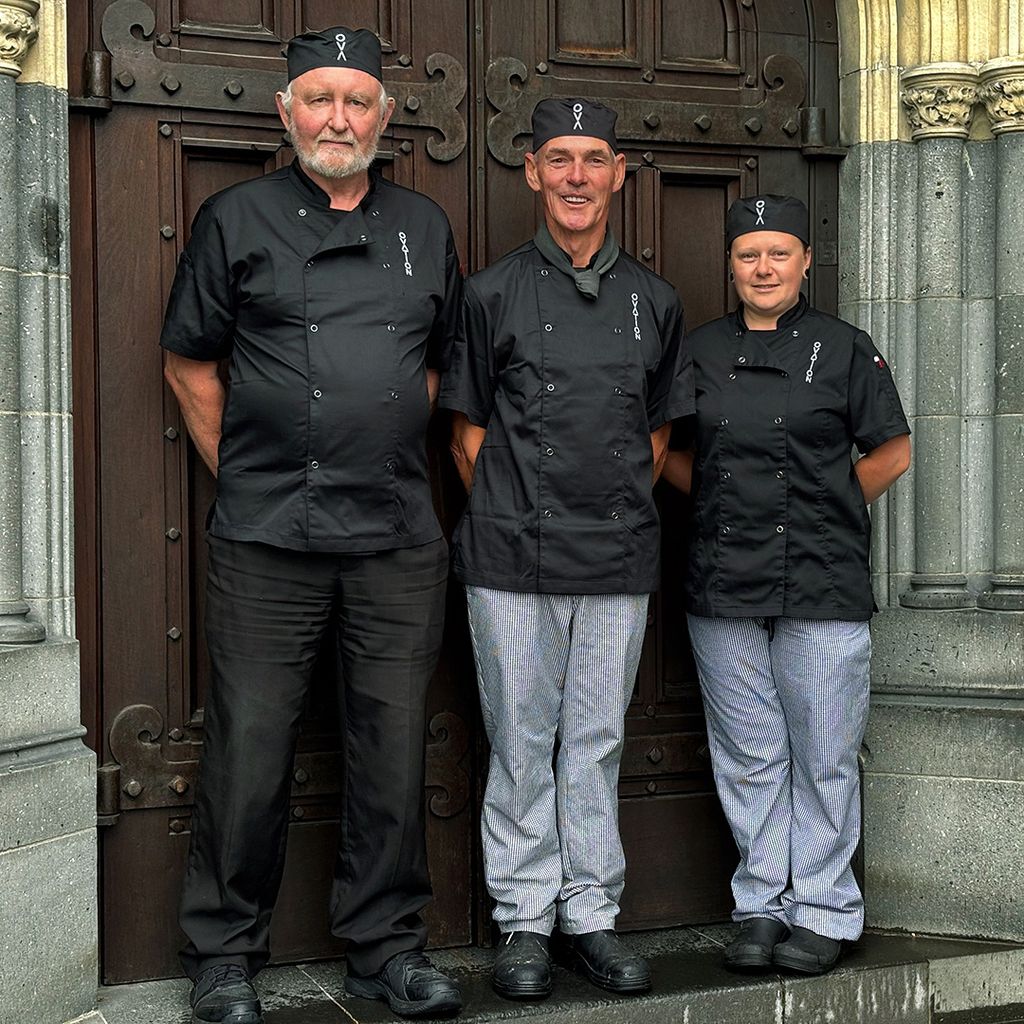


At Ovation Hospitality Services, we are fortunate to work alongside school communities where food is never just about what is on the menu. It is part of the rhythm of the day, the boarding experience, the duty of care, and the small routines that help a school feel like itself.
School leaders already understand the importance of relationships, belonging, and culture. They do not need to be told that these things matter; they see it every day in classrooms, boarding houses, sports fields, assemblies, and countless informal moments around the school.
From our side of the dining experience, we often notice how much of that culture is carried through ordinary moments: a familiar greeting at breakfast, a student being included at a table, or a staff member noticing that someone is quieter than usual.
This is not a new theory of community. It is simply a reflection on something familiar, and perhaps easy to overlook because it happens so often: the quiet value of shared meals.
The dining hall is not a replacement for strong pastoral care, thoughtful leadership, or well-designed wellbeing systems. It is simply one of the everyday places where those efforts can be seen and felt.
Because meals happen so regularly, they offer something useful: a natural setting where students and staff can connect without adding another programme to an already full school day.
Small Moments, Done Well
For any food service partner, the essentials must come first: quality, nutrition, safety, variety, reliability, and care around dietary needs. These are non-negotiable.
But once the foundations are in place, the dining experience can contribute to something broader. It can help students feel respected, included, recognised, and comfortable enough to take part.
These are small things, but school life is often held together by small things done consistently well.
Where Food service Becomes Part of School Life
For Ovation, this is where the work becomes personal. We are not separate from the school environment; we are part of the daily experience students and staff move through.
That means understanding the character of each school, the expectations of its families, the routines of its boarders, and the details that shape how the dining experience feels.
In practice, it means listening to student feedback, working closely with boarding and pastoral teams, supporting cultural and dietary needs, and helping the dining room feel like a natural extension of the school.
When this happens well, food service supports more than appetite. It supports care, consistency, and the everyday sense of community that schools work hard to create.
A Simple Thought
None of this will be new to schools, and it should not be presented as if it is. The best schools have always known that culture is built through daily interactions as much as through major events or formal programmes.
What may be worth revisiting is how the dining experience can support those interactions in a way that feels natural, welcoming, and true to the school.
At Ovation, that is the part of the work we value most.
Prepared by John Rippingham, Business Development Executive, Ovation Hospitality Services, a Platinum Sponsor of the Independent Schools of New Zealand.