EAs, PAs, and Administrators play a critical leadership role in schools—often without the title or recognition. From influencing decision-making and managing relationships to supporting change and modelling professionalism, EAs and PAs lead every day through their expertise, judgement, and impact.
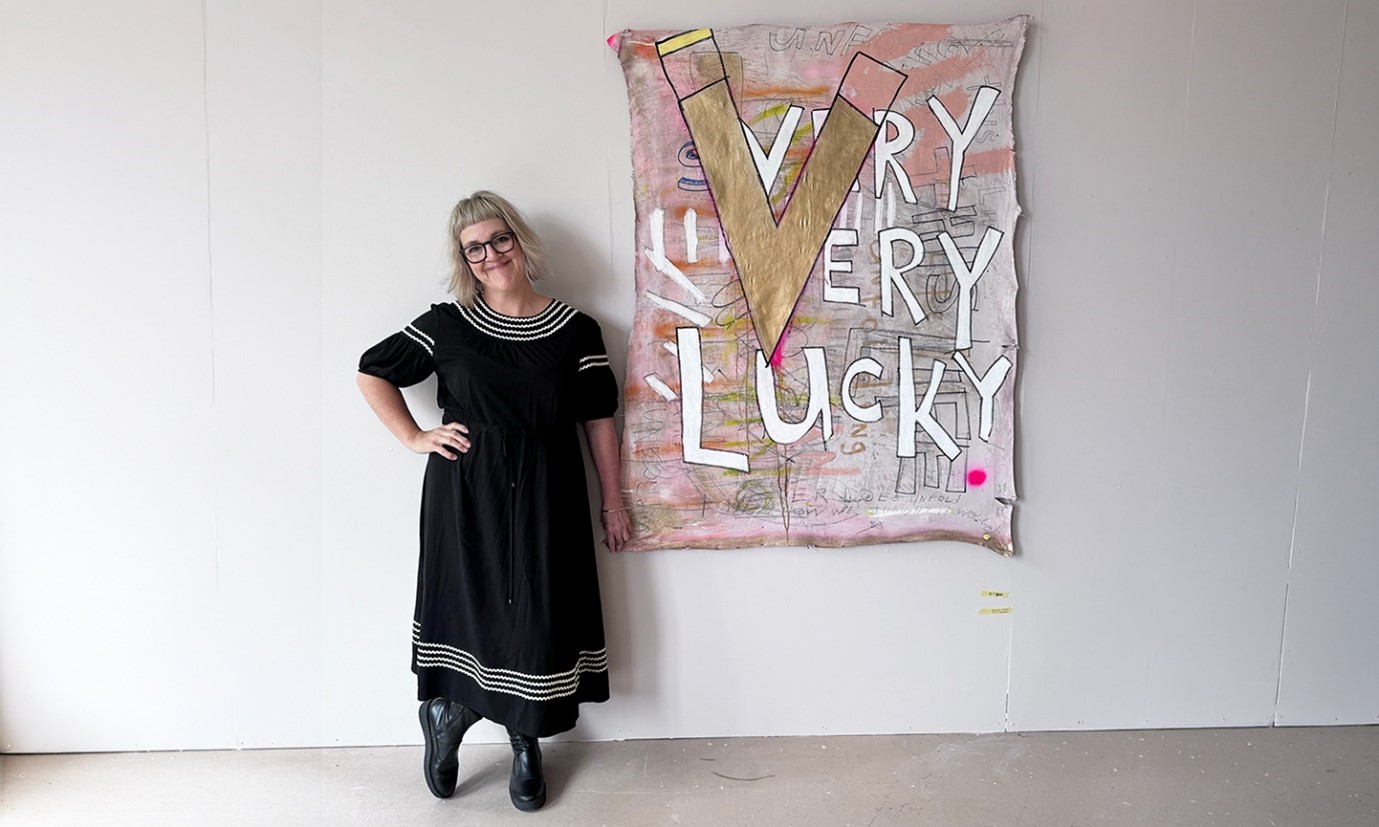
Ahead of our upcoming Executive / Personal Assistant / Administrator Seminar, we sat down with one of the speakers, Sherie Pointon (Director, Admin Advantage), to better understand her journey, and what takeaways our delegates can expect from the seminar.
Q1. I see you have a Bachelor of Arts degree, what is your background and how did you come to work in the PA/EA/Administrator field?
I studied English and Drama at Victoria University before completing my Graduate Diploma in Teaching (Secondary) at Wellington College of Education. After a term of teaching I decided that teaching wasn’t right for me, not so much the classroom side of things but more the bureaucracy. So as the saying goes, if you can’t beat it, join it. I moved to NZQA where I provided administrative support for the University Bursaries and Scholarship exams, leaving NZQA as NCEA came online. Since then, I have worked across the education agencies including the Education Review Office where I worked as the PA to the National Managers Reporting Services and Evaluation Services, before moving to the Tertiary Education Commission. I’ve also worked for Basketball New Zealand running their national age group tournaments and at the Institute of Public Administration NZ (IPANZ) where I project-managed the Public Sector Excellence Awards. I also spent five amazing years as the PA to the Principal at Onslow College in Wellington, before moving to the Wairarapa and fulltime in my business.
Q2. What key recommendations do you have for people dealing with multiple (and sometimes clashing) priorities every day?
That’s such a great question! The key to managing multiple priorities is communication. Establishing what is the most important task for you to get done each day, particularly when you are supporting someone, and being able to articulate what is going on for you is crucial for meeting expectations and priorities. Sometimes we can be given tasks that are another person’s top priority, but that doesn’t necessarily mean that it is your top priority; being able to tell people that is a key skill to have in your toolbox, with a phrase as simple as, “if I do this task I’m not going to be able to complete this task, which would you prefer I do?”. One technique I use is to view my tasks with a lens to establish what is important and what is urgent is critical; this is where a tool like the Eisenhower Matrix can help.
Q3. Being interrupted is a regular occurrence for a PA/EA/Administrator, what tactics can they use to keep on track?
Interruptions are a major sore spot for administrative professionals no matter what level they are. The nature of the role does mean we are more “available” to people.
One of the strategies I like to use is having “available” time that people can come and talk to me, and “unavailable” time when I am working on something critical. Tools like Teams have statuses to indicate when you are: Available, Busy, Do Not Disturb, etc.—you can have that in person too. Something as simple as an agreed sign to indicate availability can be helpful; for one of my roles we had flags that we could have up to represent when we were busy. In a school, this can still be achieved, by thinking about when you are available or not according to the school day. For example, I wouldn’t have my busy/do not disturb status on during those times when teachers are on a break—that invariably is when they will come needing something from you.
Research out of the University of California - Irvine found that every interruption can take us anywhere from 8 minutes through to 24 minutes to refocus depending on the complexity of the task!
Q4. What soft skills do you think are essential for a PA/EA/Administrator to succeed in their roles?
I’ve never been a fan of the term "soft skills", as these skills are often the hardest to master. Recently the phrase “human skills” has become popular, and in the age of AI this is even more important.
Emotional intelligence is my number one human skill for administrators. The ability to be self-aware, self-regulate, be intrinsically motivated, and have empathy and social skills are crucial for success in the administration profession. Statistically, CEOs have the lowest EQ scores in the workplace, so having an assistant with high EQ can “balance” that low EQ out.
Another essential human skill would have to be proactivity and initiative, the very nature of the job means we are anticipating needs, diffusing problems before they escalate, and understanding how to improve things.
The third of my top three essential human skills would be leadership.
Q5. For those attending the seminar in May, what are the three most important seminar takeaways that they can apply immediately when they return to work?
- That leadership has very little to do with your job title. We’ll learn how to use our influence to lead.
- Techniques to eliminate the “busy work” and focus on the important work and be proactive with this.
- Have a set of tools in the “tool box” to identify steps to support career growth and professional development.
Register now
The Executive / Personal Assistant / Administrator Seminar will be held at Diocesan School for Girls on Wednesday 13 May. This seminar is suitable for Executive Assistants, Personal Assistants, Office Managers, and School Administrators.
To register, visit here.
.png)