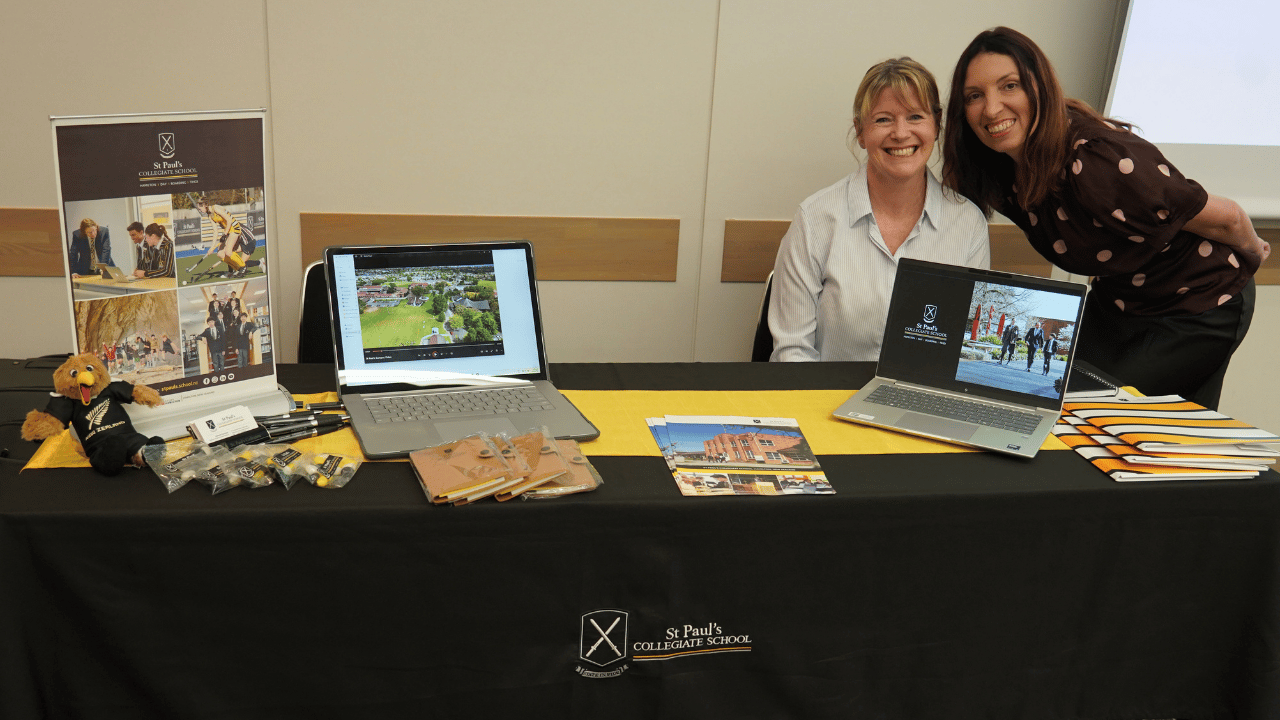
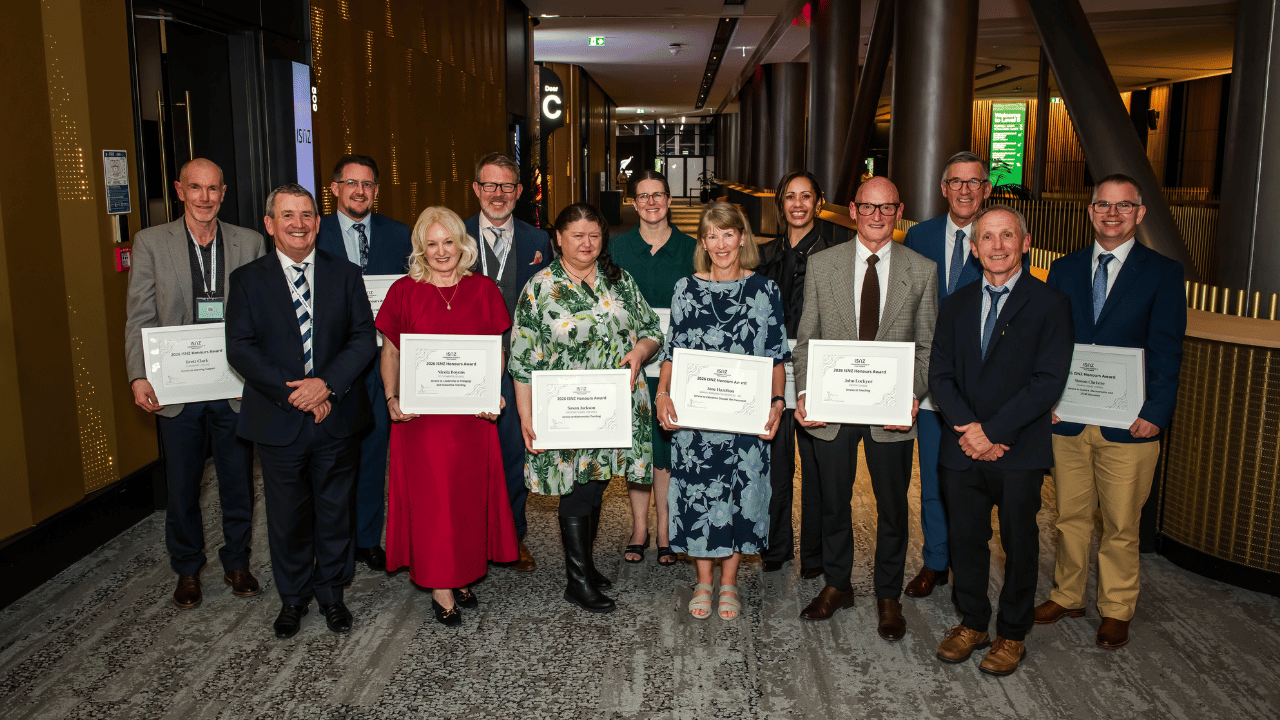
We met with Helen Richardson, Director, Richardson International Education Consultancy, to learn more about the role international education plays in the Independent school community.
How did you get involved in international education?
I have always loved geography, people, cultures and travel, so international education was a natural fit for me. I started working in international education at Wintec in 2003, initially working across accommodation, orientations, events and pastoral care, as well as supporting the requirements of the Code of Practice.
My involvement with international education then expanded beyond individual schools and into the wider community through initiatives such as Study Hamilton. I have always enjoyed the opportunities that come from connecting schools, organisations and people across different sectors.
My son attended St Paul’s Collegiate School, so as past parent I already had a strong understanding of the school, its special character and the opportunities an independent school offered. I later became Director of International Students at St Paul’s and spent 12 years managing their international programme.
At the beginning of 2026, I left St Paul’s and established Richardson International Education Consultancy (RIEC), allowing me to continue working in international education while supporting schools in developing their international programmes, marketing and relationships.
How did the relationship with Japan come about?
My relationship with Japan developed over a number of years through annual visits to Japan and ongoing conversations with Misako Kitaoka (Misa), who was then working with Education New Zealand in Japan. While ENZ has an important role in promoting New Zealand education more broadly, I have always felt that independent schools have a different story to tell and should be able to present themselves in a way that reflects what makes them distinctive.
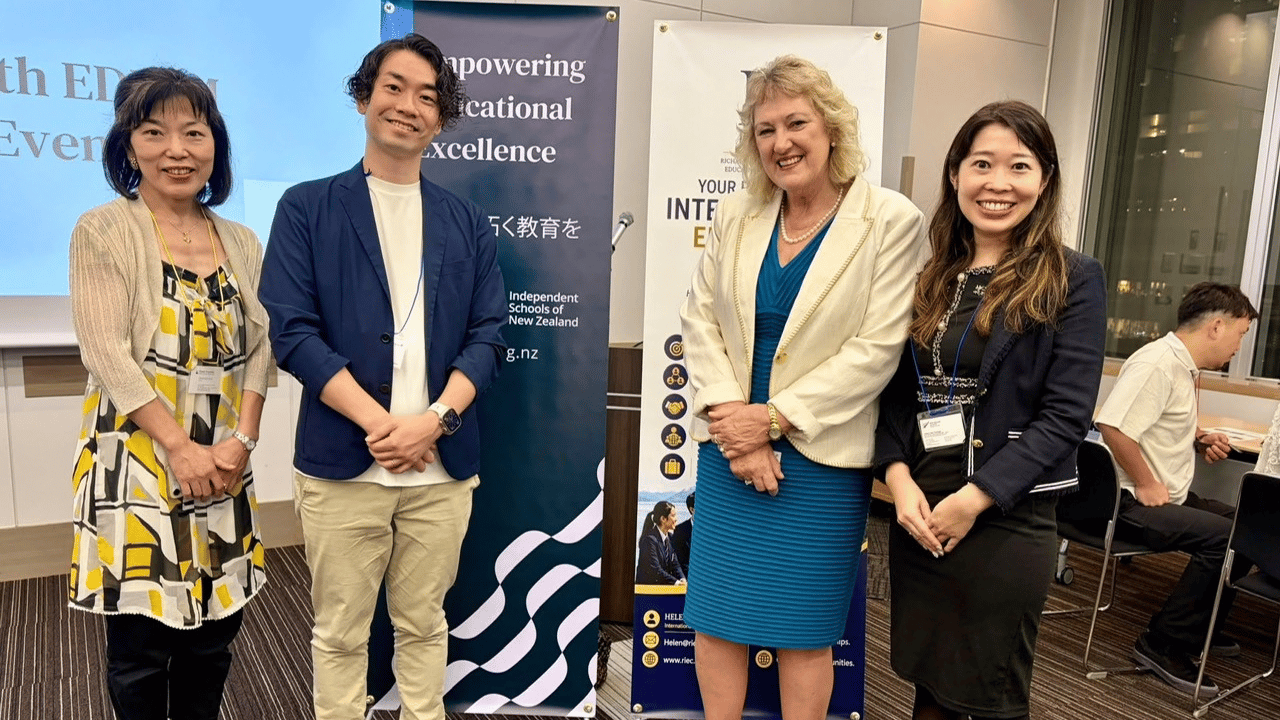
Misa and I had talked about the value of creating a dedicated event in Japan for New Zealand independent schools. The first event was held in Tokyo in 2025, and I was involved as a participant, advocate and supporter. Bringing a group of schools together and introducing them to families and networks in Japan was a very positive opportunity.
When Misa and her husband later moved to the UK, Misa approached me about taking over the organisation and implementation of the event. I was very keen to do this. I wanted to ensure that the event continued to have strong in-market support, and I felt that EDICM was the right agency to work alongside me. I had worked with EDICM for around ten years, and their experience with private and boarding schools, including a number of ISNZ schools, made them a natural choice.
What do you believe Japanese parents are looking for from a New Zealand independent school?
I believe many Japanese parents are looking for a high-quality, long-term education rather than simply a short study or edu-tourism experience. Safety and wellbeing are particularly important. New Zealand has a strong reputation as a safe country, and independent schools can offer small classes, strong pastoral care and a supportive environment.
Many schools also interview students before offering a place, which helps ensure that there is a good fit between the student and the school. Smaller international programmes can also be attractive because they allow students to have a more immersive New Zealand experience rather than being part of a large international cohort.
For students living away from home and studying in a second language, having teachers who know them individually and understand how to support them is extremely important. Parents are also looking for a holistic, student-centred education that offers a broad range of subjects and develops students beyond academic achievement, teaching them how to think, rather than simply what to think.
Leadership, confidence, problem solving and independent thinking are important, as are opportunities in sport, outdoor education, health and wellbeing. Families are also interested in pathways to global universities, supported by committed teachers and strong academic outcomes.
Boarding can be a particularly important part of this experience. Students have the opportunity to develop friendships with like-minded students, strengthen their language skills, become more independent and develop cultural understanding within a supportive and structured community.
Why do you believe there is value in marketing collectively?
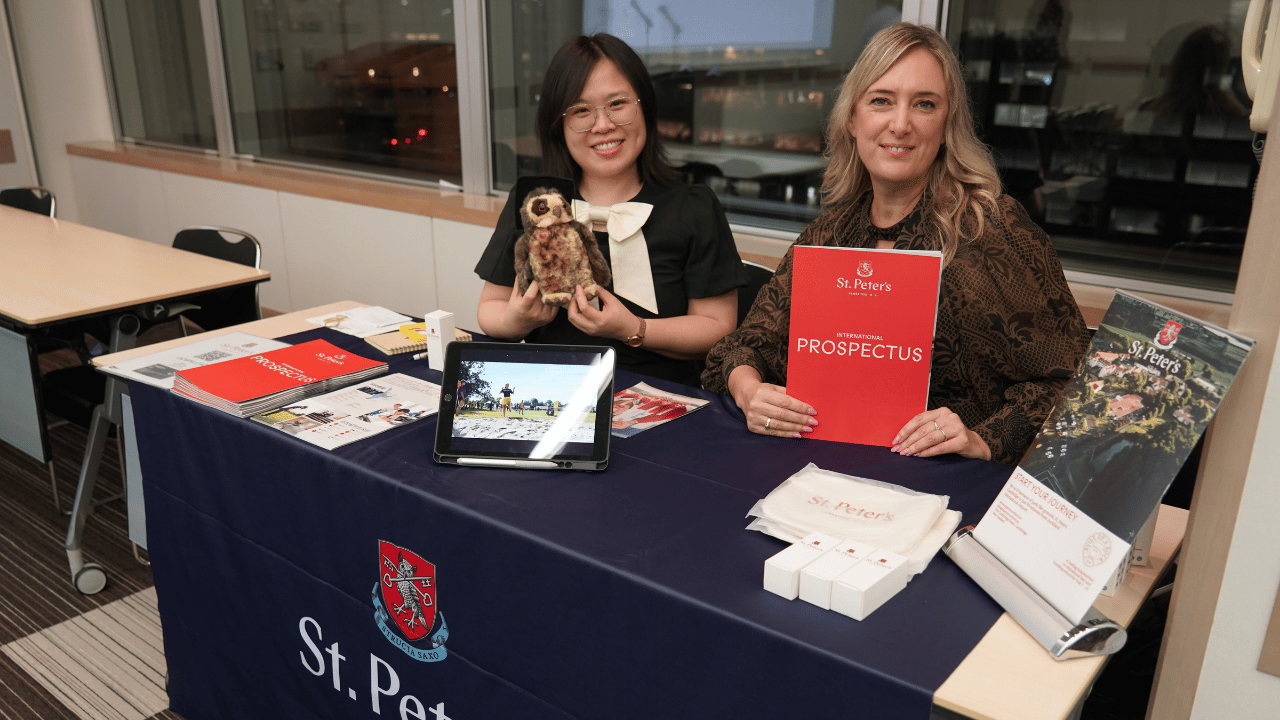
I travelled with Kristin School for a number of years and saw first-hand the value of having schools working together in an international market. Families looking at independent education are often seeking quality, reassurance and a clear understanding of what different schools can offer.
Having a group of high-quality schools working together gives families genuine choice. Each school has its own character, location, traditions, programmes and strengths, and collectively they demonstrate the breadth and diversity of New Zealand’s independent school sector.
There are also practical benefits. Working collectively can build awareness of both the ISNZ brand and individual schools, provide greater representation in the market, and allow schools to share the costs of bespoke events. It also creates opportunities to work with agents who specialise in high-net-worth families and private and boarding education.
Travelling and presenting as a group provides reassurance and a shared sense of purpose. Schools can support one another while still retaining their own identity and clearly communicating what makes them different.
What role do other organisations play in supporting the initiative?
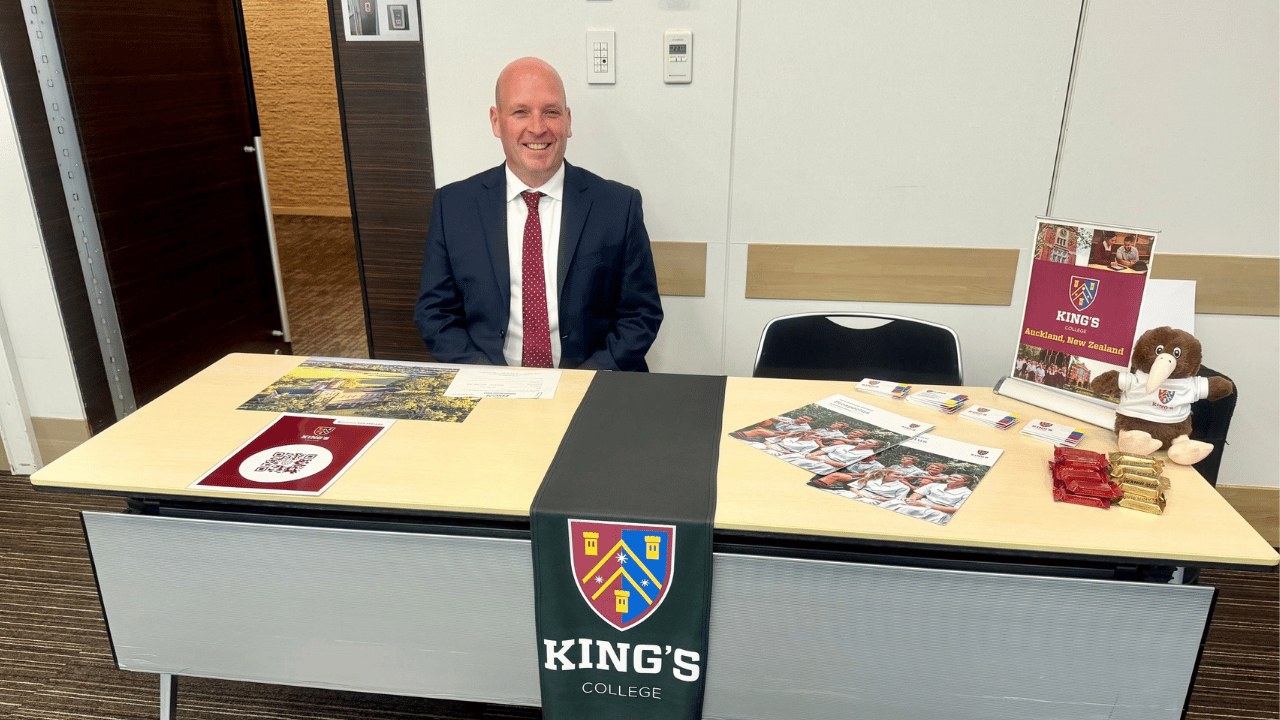
ANZCCJ has actively promoted both events and provides an important opportunity to connect New Zealand independent schools with high-net-worth families, while also creating business and networking opportunities between New Zealand and Japan.
Education New Zealand has also provided support and promotion. In New Zealand, I work directly with the participating ISNZ schools and have recently joined the Waikato Chamber of Commerce to create further opportunities for New Zealand businesses to support and connect with the initiative.
Each organisation brings different relationships, knowledge and opportunities, and that is one of the strengths of the model. It is about bringing together complementary networks rather than trying to do everything through one organisation.
How would you like to see this initiative grow and develop in the future?
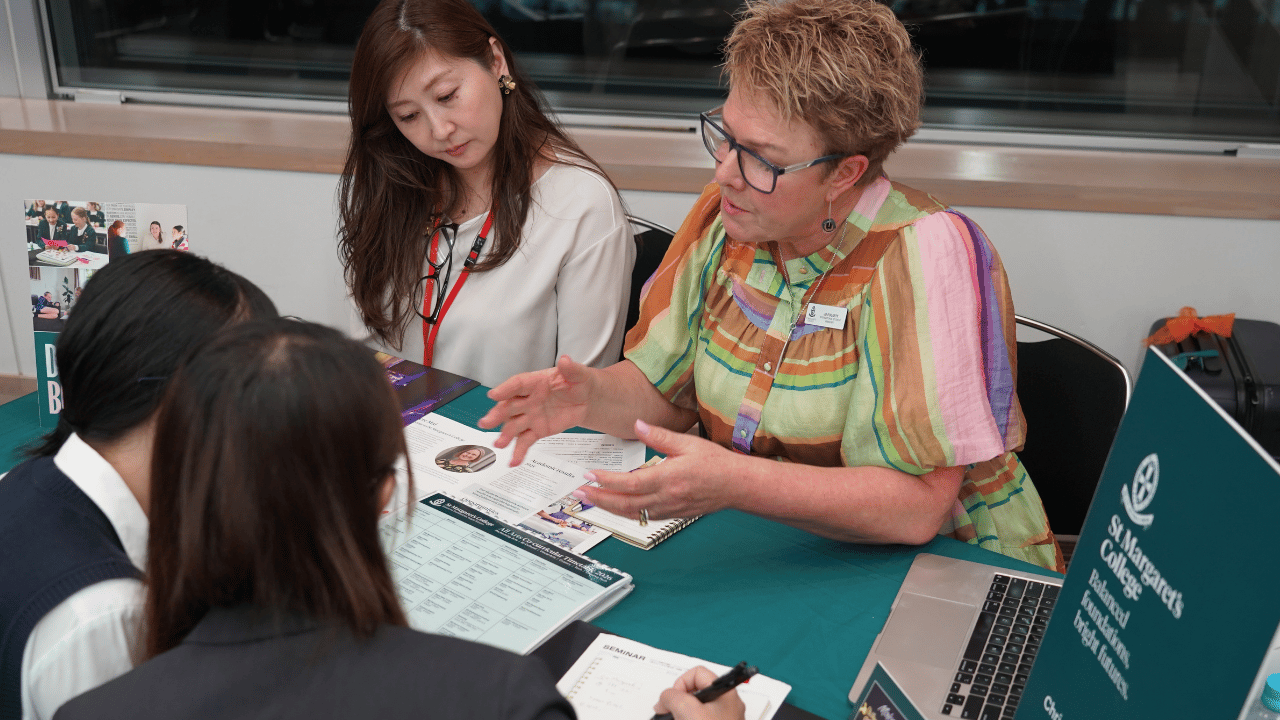
For me, it is not simply about continuing an existing event. I believe there is an opportunity to establish something that has a strong and sustainable presence in Japan and provides real long-term value for ISNZ schools. I would like to see the initiative develop into a three-day programme that brings together schools, prospective families, alumni, agents, businesses and the wider New Zealand and Japanese communities.
One element I would like to develop is an alumni event and then the main marketing event the following day for prospective families. I believe alumni are an underutilised resource. Schools could invite domestic and international alumni who are now living and working in Japan to reconnect with their former schools and develop new professional and business connections.
There may also be opportunities to work with ANZCCJ to explore mentoring, tertiary pathways and employment experiences for graduates. Young graduates returning to Japan could connect with other people who share a New Zealand education experience and build meaningful personal and professional relationships.
The main marketing event could include presentations from current students, parents and alumni, giving families a genuine insight into what boarding and attending a New Zealand independent school is really like. This would then be followed by opportunities to meet school representatives and learn more about individual schools.
Ultimately, I would like the initiative to become more than a school fair. I see an opportunity to create genuine and ongoing connections between schools, families, alumni, businesses and the wider New Zealand and Japanese communities.
Do you see opportunities to develop this model in other countries?
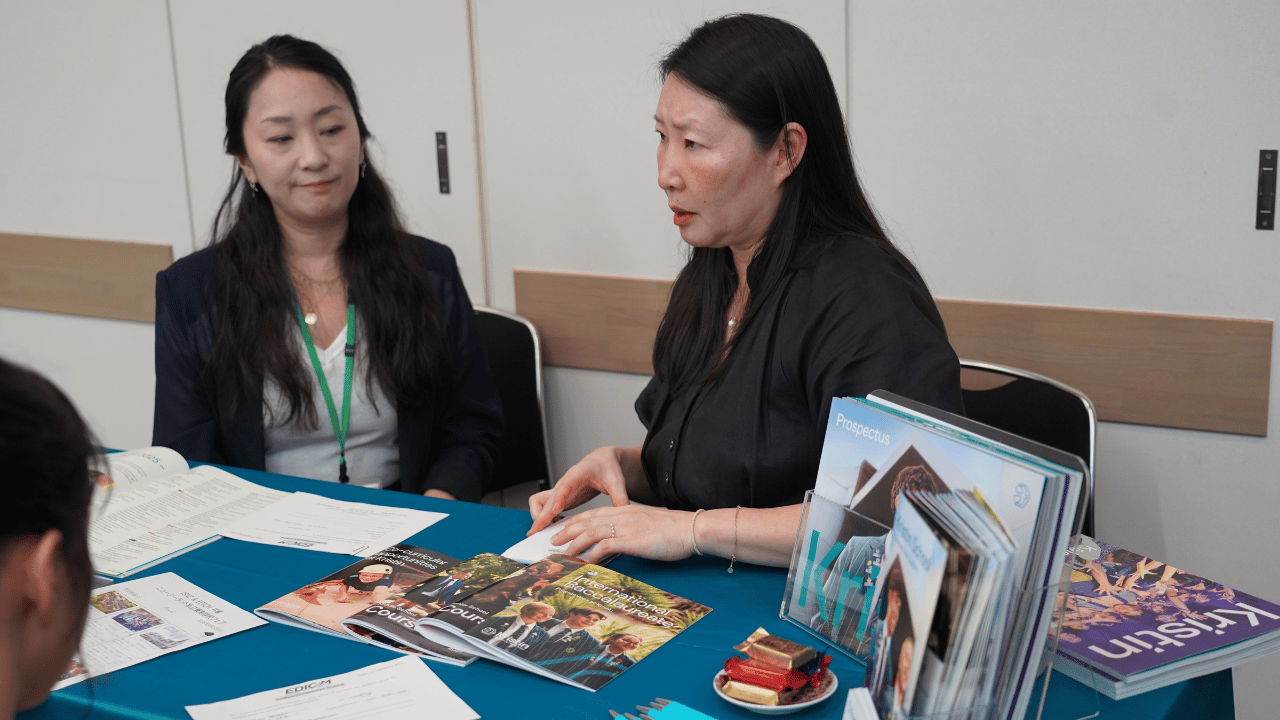
I already have strong relationships with agents and families in markets including Thailand, Hong Kong, Germany and Japan. While the underlying quality of the educational offering remains the same, every market is different and families have different needs, expectations and approaches to making decisions about education.
I would like to explore how some of the principles of the Japan initiative could be adapted to other markets, while recognising that each market needs its own approach. For me, international education is about much more than student recruitment. It is about connecting people, cultures and organisations and creating opportunities for students, schools and communities.